
If you’re wondering how to choose kitchen layout and design that truly works, you’re in the right place. After years of planning kitchens for busy families, avid home cooks, and compact city apartments, I’ve learned that the best kitchens blend function, flow, and personality. In this guide, I’ll walk you through practical steps, realistic examples, and data-backed standards so you can make confident decisions without second-guessing. Let’s build a kitchen that looks beautiful and works even better.

Source: planforward.net
Start With Your Space And Needs
Before picking finishes or an island, map your reality. Your space and lifestyle dictate the best kitchen layout and design more than trends ever will.
- Measure everything: wall-to-wall dimensions, ceiling height, window and door locations, and structural elements like columns.
- Document utilities: plumbing stack, gas line, HVAC vents, and electrical panel location. Moving these can affect budget and feasibility.
- Define your users: how many cooks, whether you host often, if kids need a homework spot, or if accessibility is a priority.
- List your must-haves: double oven, 36-inch range, coffee bar, pantry pull-outs, recycling station.
- Identify pain points: bottlenecks by the fridge, no landing space near the oven, poor lighting, not enough outlets.
Personal insight: I ask clients to “walk” me through a typical dinner. Where do you prep, set hot pans, and plate? This reveals natural traffic patterns and helps decide zones and clearances.
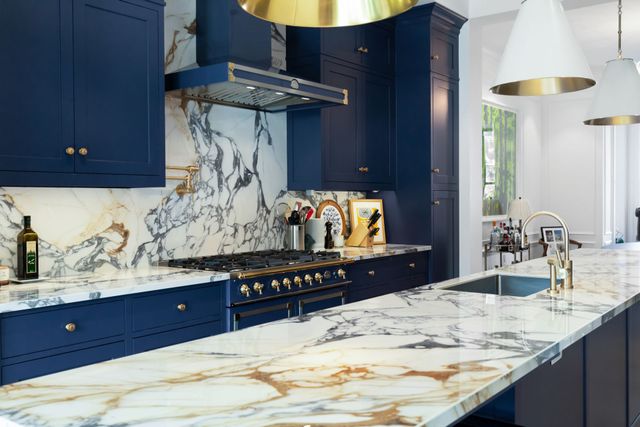
Source: www.counter-culture.com
Choose The Right Kitchen Layout
Your layout frames everything—from workflow to storage and lighting. Match the layout to the architecture and your routines.
- One-wall kitchen: Ideal for studios or open-plan spaces where simplicity is key. Add a portable island or peninsula for extra prep.
- Galley kitchen: Two parallel runs can be extremely efficient for serious cooks. Keep the aisle 40–48 inches for comfort.
- L-shaped kitchen: Great for open plans, allows for a small island and clear zones. Works well in corners with fewer traffic conflicts.
- U-shaped kitchen: Maximizes storage and counters, ideal for dedicated cooking zones. Watch corner cabinet access and clearance.
- Island kitchen: Fantastic for entertaining and multi-cook households. Ensure 36–48 inches of walkway around the island.
- Peninsula kitchen: A smart alternative when space won’t allow a full island; creates seating and a visual boundary.
Pro tip from the field: Avoid cramming an island into a narrow room. If you can’t maintain at least 36 inches of clearance on all sides, choose a peninsula or a slim rolling cart instead.

Source: www.primecabinetry.com
Workflow: The Work Triangle And Zones
Classic wisdom suggests the work triangle between the sink, cooktop, and fridge. It’s still useful, but modern kitchens benefit from activity zones.
- Prep zone: Near the sink with 24–36 inches of clear counter, knives, cutting boards, compost or trash pull-out.
- Cooking zone: Surround the range with heat-safe surfaces, spice pull-outs, utensil drawers, and pan storage.
- Cleaning zone: Dishwashing by the sink with landing space for dirty and clean dishes; keep dish storage nearby.
- Refrigeration and pantry zone: Position for quick unloading from the entry; create landing space beside the fridge.
- Beverage/coffee zone: Keep it away from the main prep path to reduce traffic conflicts during busy mornings.
Evidence-based tip: Aim for logical adjacency. For example, fridge next to pantry, pantry near prep, and prep near sink improves efficiency and reduces steps during cooking.
.jpg)
Source: www.houseandgarden.co.uk
Storage, Appliances, And Clearances
Smart storage and the right dimensions turn a nice design into a joy to use. Industry standards help avoid daily frustrations.
- Essential clearances: At least 36 inches for walkways and 42–48 inches for work aisles in multi-cook kitchens.
- Landing spaces: 12–15 inches on either side of cooktops; 15–18 inches next to the fridge and oven where possible.
- Counter heights: Standard 36 inches; consider 30 inches for baking stations or accessibility, and 42 inches for bar seating.
- Appliances: Size them to your space. A 30-inch range is adequate for most homes; oversized pro-style ranges demand stronger ventilation and more landing space.
- Storage strategy: Use deep drawers for pots, pull-outs for spices and oils, vertical dividers for trays, and a tall pantry cabinet with roll-outs.
- Corner solutions: Leverage blind-corner pull-outs or a lazy susan; otherwise, consider dead space to optimize adjacent cabinets.
Lesson learned: I once prioritized a huge fridge at a client’s request, but it blocked sightlines and ate into prep space. We downsized to a counter-depth model and gained a functional, brighter kitchen.
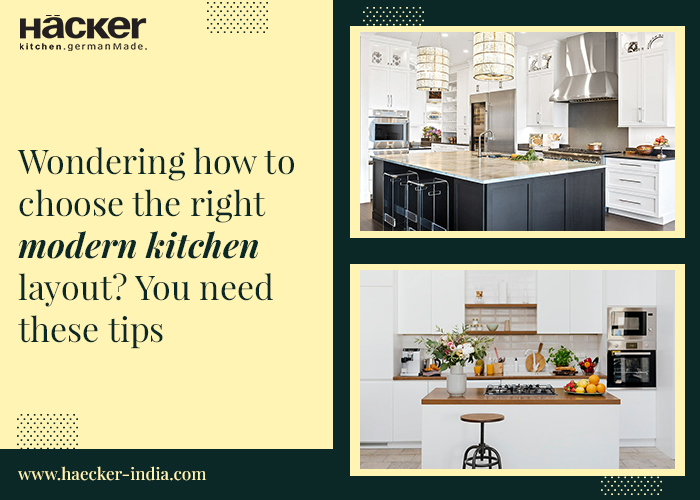
Source: haecker-india.com
Lighting, Materials, And Finishes
A great kitchen layers light and balances durable materials with your style.
- Lighting layers: Use ambient (recessed or ceiling fixtures), task (under-cabinet LEDs), and accent lighting (pendants, toe-kick LEDs).
- Color temperature: 2700–3000K for warm, inviting light; 90+ CRI helps colors look natural.
- Countertops: Quartz for low-maintenance durability; sealed natural stone for character; butcher block for warm prep areas.
- Backsplash: Extend slab material for a seamless look or use tile with a practical, cleanable grout.
- Cabinets: Full-extension soft-close drawers boost usability; consider a two-tone scheme to anchor the base and lighten the uppers.
- Flooring: Durable options include porcelain tile, engineered wood, or luxury vinyl with water resistance.
Pro move: Install a dimmer on task and pendant lights. Bright for prep, softer for evening dining—small cost, big impact.
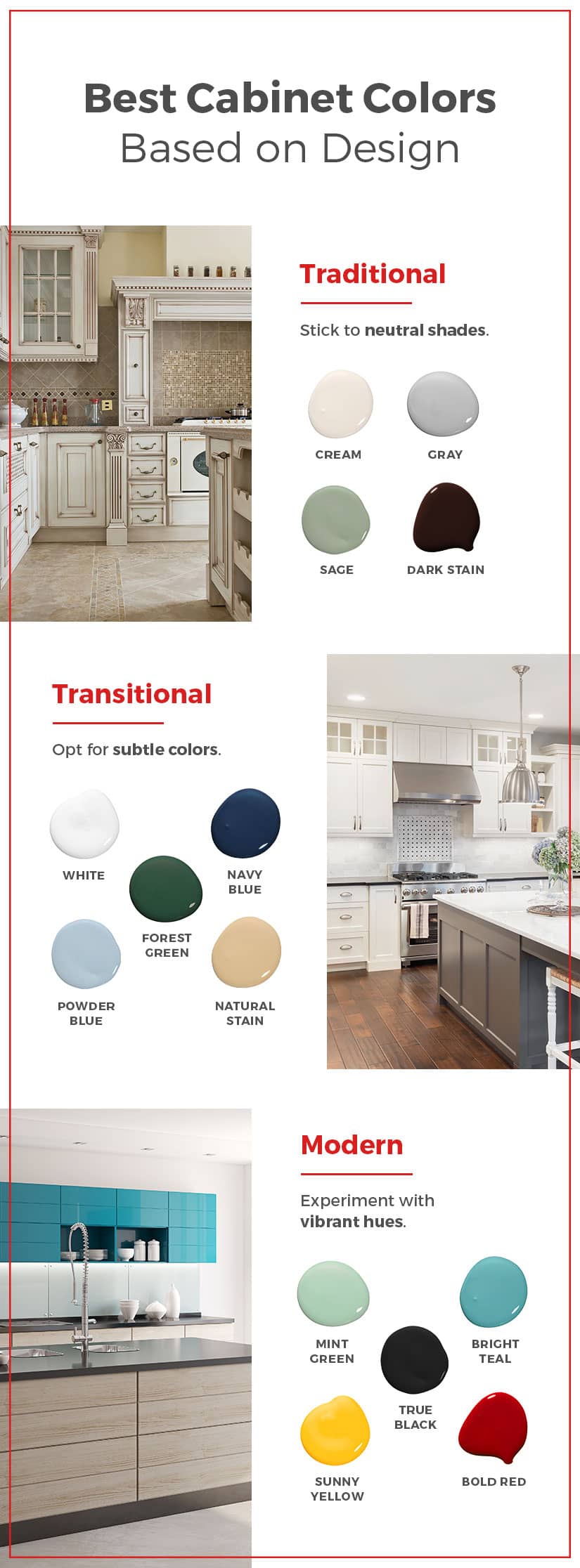
Source: kitchencabinetkings.com
Ergonomics, Safety, And Accessibility
Design for comfort and safety from the start—even if you’re not remodeling for aging in place.
- Ergonomics: Keep frequently used items between waist and shoulder height. Opt for drawers over deep base cabinets.
- Ventilation: Pair your cooktop with proper CFM and vent it outside when possible. Over-the-range microwaves save space, but dedicated hoods perform better.
- Fire safety: Maintain clearances around gas ranges; keep a fire extinguisher accessible but not right next to the stove.
- Accessibility: 34-inch counter options, pull-down shelves, D-shaped handles, and wider aisles support universal design.
- Outlets and tech: Add outlets in islands and near small-appliance zones; consider a charging drawer to reduce counter clutter.
Real-world tip: A client with shoulder issues found wall cabinets frustrating. We swapped for taller base drawers and a spice pull-out by the range—no more reaching and better daily comfort.

Source: www.cabinetdiy.com
Budget, Timeline, And Phasing
A beautiful kitchen is also a well-managed project. Plan for costs, contingencies, and realistic timelines.
- Prioritize: Spend on layout, cabinets, and lighting. Save with appliance packages, stock cabinet sizes, and simple tile patterns.
- Contingency: Hold 10–15% for surprises like electrical upgrades or subfloor repair.
- Phasing: If needed, phase work—first update lighting and paint, then appliances, then cabinets and counters.
- Lead times: Cabinets and custom counters can take weeks. Order early to avoid project stalls.
- Permits and inspections: Check local requirements for electrical, structural, and gas work.
My approach: I create a line-item budget and a must-have/nice-to-have list. When an unexpected cost pops up, we know exactly where to flex without sacrificing core function.
Common Mistakes To Avoid
– Oversizing islands so aisles become cramped. Keep clearances generous.
– Ignoring landing zones next to ovens and fridges.
– Choosing finishes before finalizing layout and appliances.
– Skimping on task lighting and ventilation.
– Forgetting trash, recycling, and compost solutions.
– Not planning enough drawers—doors look neat, but drawers work harder.
Frequently Asked Questions Of How To Choose Kitchen Layout And Design
What is the best kitchen layout for small spaces?
A one-wall or galley layout typically maximizes efficiency. Keep aisles 40–48 inches, use tall storage, and consider a slim rolling island for flexible prep.
How wide should the space be around an island?
Aim for 36 inches minimum on all sides, and 42–48 inches in busy, multi-cook kitchens to prevent bottlenecks.
Is the work triangle still relevant?
Yes, as a starting point. Complement it with zones—prep, cooking, cleaning, and beverage—to reflect modern appliances and family traffic.
What countertop material is most durable?
Quartz offers excellent durability and low maintenance. Sealed granite and sintered stone are also strong performers; butcher block adds warmth but needs care.
How do I plan lighting for a kitchen?
Layer ambient, task, and accent lighting. Use under-cabinet LEDs for prep, pendants over islands, and dimmers to adapt from cooking to dining.
Where should I place the trash and recycling?
Install a pull-out near the prep zone and sink for easy access while chopping. Add a second bin near the beverage area if space allows.
Do I need professional help for layout?
Not always, but a designer can optimize clearances, storage, and code requirements—especially for complex spaces or major utility moves.
Wrap-Up And Next Steps
Choosing a kitchen layout and design is about aligning your space, habits, and budget into a cohesive plan. Start with accurate measurements, pick a layout that fits your footprint, design smart zones, and prioritize storage, lighting, and ventilation. Small, evidence-based decisions—like proper clearances and well-placed landing zones—make the biggest daily difference.
Take your next step today: sketch your current kitchen, list your must-haves, and test a few layouts with real measurements. When you’re ready, consult a pro to refine clearances and codes, then move forward with confidence. Share your questions or wins in the comments, and subscribe for more hands-on design guides.
Watch This Video on how to choose kitchen layout and design