
Have you ever wondered how a kitchen hood works? This article will explain it simply. Kitchen hoods are very useful. They help keep your kitchen air clean. Let’s learn how they do this.
What Is a Kitchen Hood?
A kitchen hood is a device above your stove. It helps remove smoke, smells, and steam while cooking. It keeps your kitchen fresh and clean.
It is also called a range hood or exhaust hood. You will see it in many homes and restaurants.
Why Do You Need a Kitchen Hood?
- Remove smoke and steam: Cooking makes smoke and steam. The hood takes these away.
- Stop strong smells: Food smells can spread. The hood helps stop this.
- Keep kitchen clean: It stops grease from landing on walls and counters.
- Improve air quality: It removes bad air and brings fresh air.
- Reduce fire risk: Grease in the air can catch fire. The hood reduces this risk.
How Does a Kitchen Hood Work?
Let’s look at the simple steps of how it works:
- Fan or blower pulls air: The hood has a fan. This fan pulls in air with smoke, steam, and grease.
- Air passes through filters: The hood has filters. These catch grease and some smells.
- Air leaves the kitchen: There are two ways the air leaves.
Two Types Of Kitchen Hoods
Kitchen hoods work in two main ways:
| Type | How It Works | Pros | Cons |
|---|---|---|---|
| Ducted (Vented) | Air is pulled and sent outside through ducts. | Very effective at removing smoke and smells. | Needs ducts in the wall or roof. |
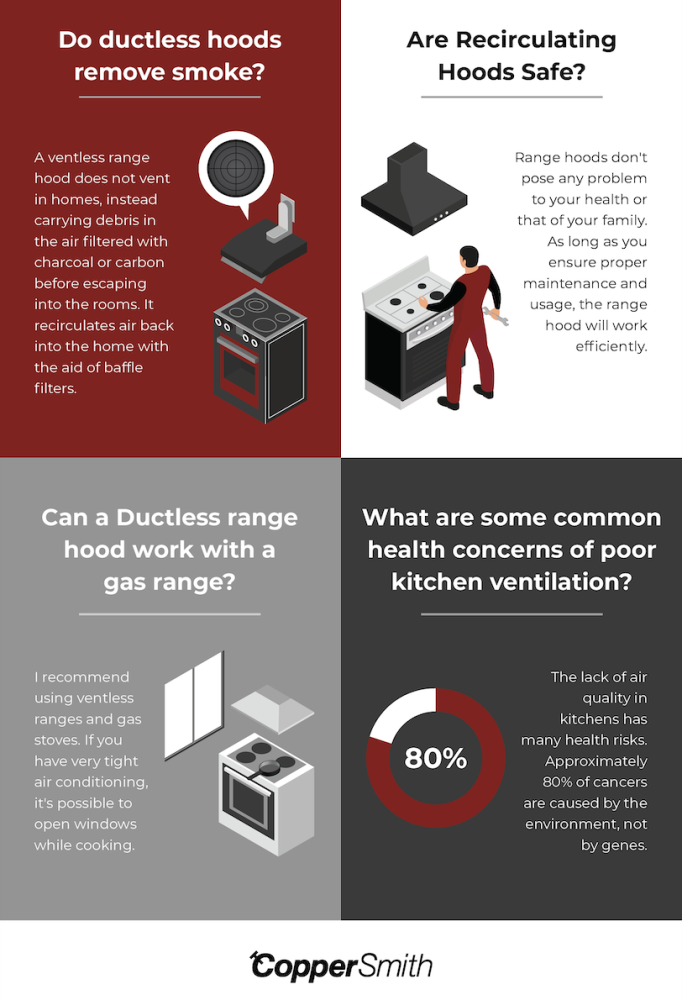
| Ductless (Recirculating) | Air passes through filters then returns to kitchen. | Easy to install, no ducts needed. | Less effective; some smells remain. |
What Happens Inside the Kitchen Hood?
The fan pulls dirty air inside the hood. The air goes through filters. These filters catch grease and some smoke.
In ducted hoods, the air goes outside through a pipe. This removes most smells and moisture.
In ductless hoods, the filters clean the air. Then, the air goes back to the kitchen. These filters need to be cleaned or changed often.
Parts of a Kitchen Hood
- Fan or blower: Pulls air into the hood.
- Filters: Catch grease, smoke, and dust.
- Ductwork (for ducted hoods): Pipes that send air outside.
- Light: Helps you see the cooking area.
- Control panel: Turn fan on/off and change speed.
How to Use Your Kitchen Hood Well
Using your hood right is important. Here are some tips:
- Turn on the hood a few minutes before cooking.
- Use the highest fan speed for frying or grilling.
- Keep filters clean for best performance.
- Run the hood a few minutes after cooking ends.
- If ducted, check ducts for blockages.

Credit: diy.stackexchange.com
Benefits of Using a Kitchen Hood
Using a kitchen hood has many good points:
- Better air quality: Removes harmful smoke and gas.
- Less grease on kitchen surfaces: Easier to clean counters and walls.
- Stops moisture buildup: Helps prevent mold and damage.
- Stops strong odors: Keeps your home smelling fresh.
- Reduces fire risk: Grease and smoke can cause fire.
Factors That Affect Kitchen Hood Performance
Not all hoods work the same. Some things change how well they work:
| Factor | Explanation |
|---|---|
| Ducting | Ducted hoods remove air outside. This is best. |
| CFM (Cubic Feet per Minute) | Higher CFM means more air is pulled in. |
| Capture Area | The size of the hood’s opening. Bigger is better. |
| Fan Speed | Faster fans clean air better but can be loud. |
Choosing the Right Kitchen Hood
When picking a hood, think about your kitchen size and cooking style.
- For heavy cooking, choose a ducted hood with high CFM.
- For small kitchens, a ductless hood may be easier.
- Check if your home allows duct installation.
- Look for hoods with easy-to-clean filters.
Credit: www.worldcoppersmith.com
Simple Summary
A kitchen hood pulls in air from cooking. It traps smoke, grease, and smells. Then it moves air outside or cleans it and sends it back. This keeps kitchens fresh and safe.
Using a hood helps keep your kitchen clean. It also stops bad smells and reduces fire risk. Choose a hood that fits your needs. Use it every time you cook.
Final Thoughts
Kitchen hoods are important for every cooking space. They make your kitchen a nicer place. Now you know how they work and why they matter. Try to keep yours clean and working well.
Frequently Asked Questions
Do Kitchen Hood Vents Really Work?
Yes, kitchen hood vents effectively remove smoke, grease, moisture, and odors, improving air quality and reducing fire risks. Ducted hoods vent pollutants outside for best results, while ductless models filter and recirculate air but are less efficient at eliminating all contaminants.
Do Range Hoods Have To Be Vented Outside?
Range hoods do not have to be vented outside, but vented models remove smoke and odors more effectively. Ductless hoods filter and recirculate air but reduce pollutants less efficiently. For best air quality and grease control, venting outside is recommended.
Where Does The Air Go In A Ventless Range Hood?
A ventless range hood pulls in cooking air, filters grease and odors, then recirculates clean air back into the kitchen.
How To Tell If A Vent Hood Is Working?
Check if the vent hood’s fan runs and air moves when switched on. Notice reduced cooking smoke and odors. Ensure filters are clean and suction feels strong. A working vent hood improves kitchen air quality and prevents grease buildup effectively.