
If you’ve ever debated between an air fryer and a traditional oven, you’re not alone. I’ve tested both in busy home kitchens and professional settings, and here’s the bottom line: air fryers excel at fast, crispy results for small batches, while ovens win for capacity, consistency, and versatility. In this guide, I’ll break down Air Fryer vs Oven: Which One Should You Choose? with practical insights, real-world tests, and data-backed advice so you can buy once and cook happy.
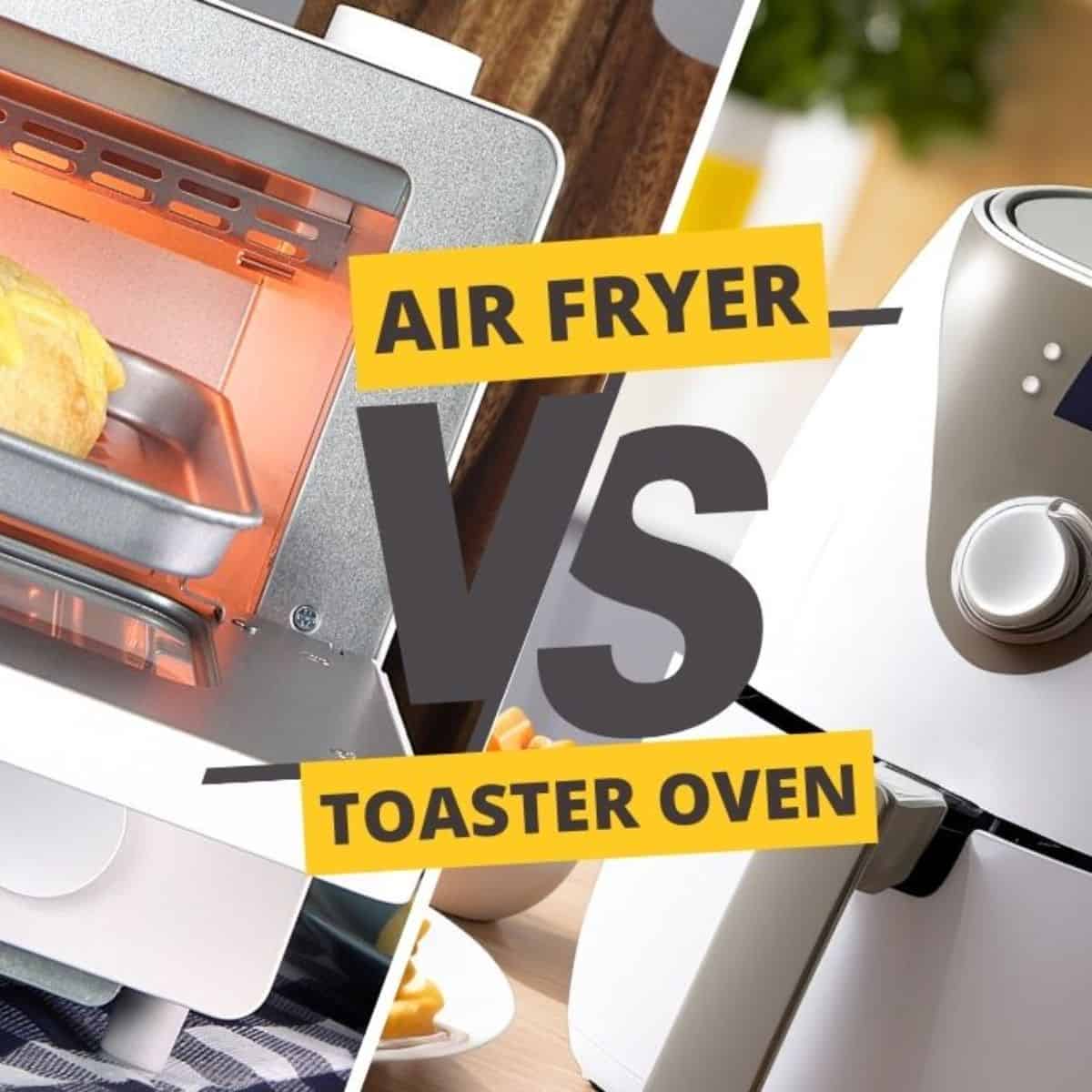
Source: www.alsothecrumbsplease.com
How Do Air Fryers And Ovens Work?
Air fryers and ovens use the same basic principle: hot air cooks food. The difference is how efficiently they move that air.
- Air fryer: A compact chamber with a powerful fan and heating element circulates air rapidly around food, creating intense surface heat that mimics frying with minimal oil.
- Conventional oven: Heats a larger cavity with heating elements; airflow is less intense unless you use convection.
- Convection oven: Adds a fan to move air more like an air fryer, but the larger space still reduces intensity.
What that means in your kitchen:
- Air fryers crisp faster because of concentrated heat and airflow near the food.
- Ovens, especially with convection, deliver more even results across multiple racks and larger dishes.
From experience, switching a recipe from oven to air fryer usually means reducing temperature by 25°F and cutting cook time by 20 to 30 percent. Reverse that when going from air fryer to oven.

Source: www.pork.co.nz
Cooking Results: Crisp, Juicy, And Even Browning
If your goal is a shatteringly crisp exterior without deep-frying, air fryers shine. For even baking and roasting, ovens still hold the crown.
-
Where air fryers win
-
Where ovens win
- Baking bread, cakes, cookies, and pastries with uniform rise.
- Large roasts, whole chickens, big sheet-pan dinners, and multiple trays.
- Gentle cooking tasks like low-and-slow braises.
Pro tip from my tests: For breaded foods, toss with a teaspoon of oil or brush lightly before air frying. In ovens, use a preheated sheet pan and convection to narrow the crispness gap.
:max_bytes(150000):strip_icc()/can-you-put-parchment-paper-in-the-air-fryer-4x3-1dd69e42286d4f4b83588bc475f3729a.jpg)
Source: www.allrecipes.com
Speed, Convenience, And Preheating
Time is where air fryers often steal the show.
-
Preheat times
- Air fryer: Often 2 to 4 minutes (or none required).
- Oven: Typically 8 to 15 minutes to reach 400°F; longer for larger models.
-
Cook times
- Air fryers usually finish 20 to 30 percent faster for small batches.
- Convection ovens narrow the gap but still lag due to larger cavity.
-
Everyday convenience
- Air fryers are grab-and-go for weeknights and snacks.
- Ovens accommodate full meals in one go, reducing batch cooking.
In my routine, I reach for the air fryer to get dinner on the table when I’m hungry now, and the oven when I’m cooking for a crowd or want hands-off consistency.
Capacity And Versatility
Think about how much you cook at once.
-
Air fryer capacity
- Typical basket: 2 to 5 quarts; dual-drawer models expand flexibility.
- Overcrowding reduces crispiness; food needs space for air circulation.
- Great for 1 to 3 servings per batch.
-
Oven capacity
- Full-size cavity handles large pans, Dutch ovens, and multiple racks.
- Ideal for family meals, batch prep, and baking projects.
- More accessories available (pizza stones, roasting racks, proofing modes).
Versatility snapshot:
- Air fryer: Excellent for snacks, sides, small proteins, reheating.
- Oven: Best for baking, large roasts, casseroles, artisan bread, and multi-course cooking.
Energy Use And Operating Cost
Efficiency depends on both power draw and time in use.
-
Typical power draw
- Air fryer: about 1200 to 1800 watts.
- Electric oven: often 3000 to 5000 watts; gas ovens use gas + small electric for fans/controls.
-
Real-world energy
- For small batches, air fryers often use less total energy because they preheat fast and cook quickly.
- For large meals or multiple trays, ovens can be more efficient per serving.
Independent lab tests and appliance energy data show that cooking smaller portions in compact, high-airflow appliances commonly reduces total energy used. Convection oven modes also improve efficiency by shortening cook times at comparable temperatures.
Health, Nutrition, And Oil Usage
Air fryers can help you use less oil while still getting a satisfying crunch.
-
Oil use
- Air fryer: Crisp with 75 to 95 percent less oil than deep-frying.
- Oven: Requires slightly more oil for comparable browning, especially without convection.
-
Nutrition perspective
- Less oil generally means fewer calories and less fat per serving.
- Results depend on the food itself; a breaded, processed snack remains a treat, not a health food.
-
Practical tip
- For vegetables, toss with a light oil coating and season aggressively; air fry for caramelization, oven-roast for even tenderness.
Maintenance, Durability, And Cleaning
Cleaning often decides what you’ll actually use nightly.
-
Air fryer
- Baskets/trays are typically nonstick and dishwasher-safe.
- Needs frequent crumb and grease cleanup; nonstick coatings can wear over time.
- Lifespan varies; budget units may last 2 to 4 years with heavy use.
-
Oven
- Racks and trays require soaking or scrubbing; self-clean cycles can help but are energy-intensive.
- Built to last; a well-maintained oven can serve for a decade or more.
- Splatter in air-fry mode (if your oven has it) still needs attention.
My habit: Line air-fryer baskets with perforated parchment for messy cooks, and preheat a foil-lined sheet pan in the oven to catch drips without smoking.
Safety, Noise, And Kitchen Fit
Consider how each appliance behaves in your space.
-
Safety and heat
- Air fryers keep heat concentrated, warming the kitchen less.
- Ovens radiate more ambient heat, which can be a plus in winter, a drawback in summer.
-
Noise
- Air fryers have noticeable fan noise; ovens with convection do as well, but typically quieter over distance.
-
Footprint
- Air fryers need counter space and ventilation clearance.
- Ovens are fixed but free your countertop for prep.
Decision Framework: Which One Should You Choose?
Use this quick checklist to decide based on your cooking style.
Choose an air fryer if:
- You cook for 1 to 3 people most nights.
- You love crispy textures and quick weeknight wins.
- You reheat leftovers and frozen snacks often.
- You want energy savings for small batches and minimal preheat.
Choose an oven if:
- You cook for families, meal prep, or host regularly.
- You bake bread, pastries, or desserts that demand even heating.
- You want to cook multi-tray meals and large roasts.
- You value an appliance that lasts longer and does it all.
Best of both worlds:
- If your oven has convection or an air-fry mode, you may not need a separate air fryer unless you prioritize speed and countertop convenience.
- A dual-basket air fryer can complement an oven by handling sides while the oven tackles mains.
My honest workflow: On weeknights, I rely on the air fryer for salmon, Brussels sprouts, or crispy tofu in under 15 minutes. On weekends, the oven takes over for sourdough, sheet-pan dinners for six, and low-and-slow roasts.
Frequently Asked Questions of Air Fryer vs Oven: Which One Should You Choose?
Is an air fryer just a small convection oven?
Functionally, yes. Air fryers are compact convection ovens with stronger, closer airflow. The smaller space and basket design make them faster and crispier for small portions.
Can an oven with convection replace an air fryer?
For many recipes, a convection oven can achieve similar results, especially with a preheated sheet pan and proper spacing. However, it usually won’t match the air fryer’s speed for small batches.
Which is cheaper to run: air fryer or oven?
For small meals, air fryers typically use less total energy due to rapid preheating and shorter cook times. For large meals or multiple trays, an oven can be more efficient per serving.
Are air-fried foods healthier than oven-baked foods?
They can be lower in added oil compared to pan or deep frying. Versus oven-baking, differences are modest; the main advantage is achieving crispness with very little oil.
What size air fryer should I buy?
For 1 to 2 people, 3 to 5 quarts works well. For families, consider 6 quarts or a dual-basket model to avoid overcrowding and batch cooking.
Do air fryers make food dry?
They can if you overcook or under-season. Use a light oil spritz, avoid overcrowding, and check doneness early. For proteins, aim for carryover cooking and rest time.
How do I convert air fryer recipes to the oven?
Increase the temperature by about 25°F and add 20 to 30 percent more time. Use convection if available, preheat your sheet pan, and avoid crowding.
Conclusion
Choosing between an air fryer and an oven comes down to your kitchen reality. If fast, crispy weeknight cooking and small-batch efficiency matter most, go air fryer. If you value capacity, baking performance, and one-appliance versatility, the oven stays indispensable. Many home cooks get the best results by using both strategically: air fryer for quick sides and proteins, oven for baking and big-batch meals.
Take the next step today: list your top five go-to meals and match them to the appliance that fits. If you found this helpful, subscribe for more tested kitchen guides or drop a comment with your favorite air fryer or oven recipe.
Watch This Video on Air Fryer vs Oven: Which One Should You Choose?