
I’ve taught dozens of first-time cooks how to go from nervous to confident at the stove, and I’ve made every beginner mistake along the way. In this guide, I’ll share practical, proven cooking tips for beginners that will help you cook safer, faster, and tastier meals. You’ll get clear steps, real-life examples, and easy wins that build skill and confidence from day one. Let’s get you cooking well without the stress.
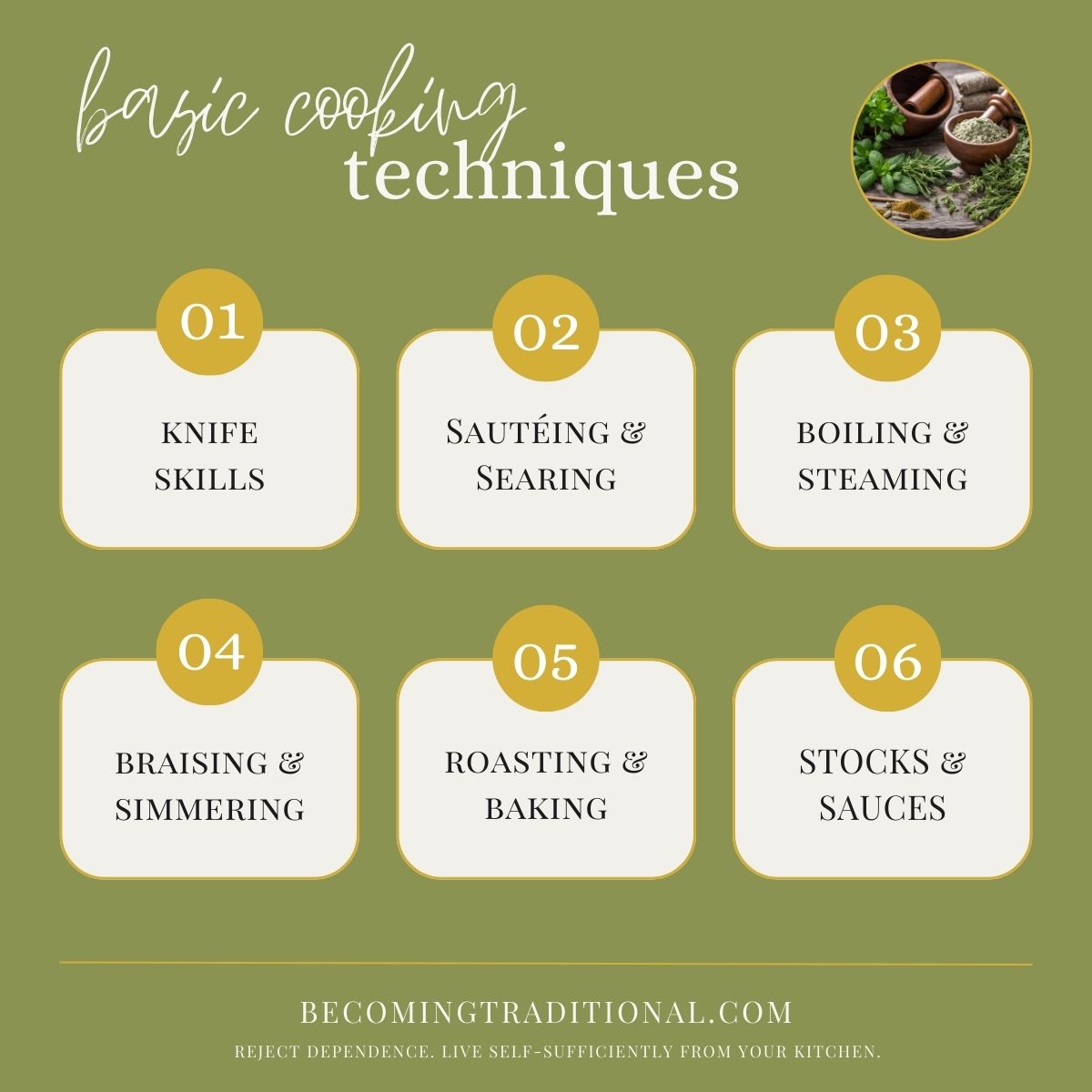
Source: becomingtraditional.com
Start With The Right Mindset And Setup
Cooking is a skill, not a talent. Improvement comes from repetition, small wins, and fixing one thing at a time. The fastest progress happens when your kitchen is calm and organized first, then you cook.
Practical steps:
- Commit to short sessions. Cook 20–30 minutes, three times a week. Consistency beats marathon sessions.
- Choose simple recipes. Focus on 5–8 ingredients and one pan when starting out.
- Read the recipe twice. Visualize the steps before turning on the heat. This prevents 80% of beginner errors.
- Practice mise en place. Chop, measure, and open cans before cooking starts. You’ll cook faster and avoid burning.
- Clean as you go. A clear counter keeps your head clear.
Personal tip: I used to start heating the pan before chopping. I burned garlic, rushed the prep, and felt behind. When I switched to mise en place, my stress disappeared—and my meals improved overnight.
Source: www.the-organizing-boutique.com
Pantry And Tool Essentials For Beginners
A streamlined setup removes friction and saves money. You don’t need a full chef’s toolbox—just the right basics.
Core tools:
- 8–10 inch chef’s knife and a paring knife
- Cutting board with a damp towel underneath for stability
- 10–12 inch nonstick or stainless steel skillet
- Medium saucepan and a sheet pan
- Instant-read thermometer
- Silicone spatula, tongs, and measuring cups/spoons
Budget-friendly pantry:
- Oils: olive oil for dressings, neutral oil for high heat
- Acids: vinegar, lemon
- Salts: kosher salt for cooking, flaky salt for finishing
- Spices: black pepper, garlic powder, paprika, cumin, chili flakes
- Staples: rice, pasta, canned beans, canned tomatoes, chicken or veggie broth
- Flavor boosters: soy sauce, Dijon mustard, tomato paste
Expert note: Studies on taste perception show salt and acid balance heightens flavor more reliably than adding more spices. Keep kosher salt and lemon or vinegar in reach, and your food will instantly taste better.
Source: hinzcooking.com
Knife Skills And Safety Basics
Good knife habits make cooking faster and safer.
Do this:
- Grip: Pinch the blade where it meets the handle with your thumb and index finger; wrap remaining fingers around the handle.
- Guide hand: Tuck fingertips to form a claw, knuckles facing the blade.
- Motion: Use a gentle rocking motion; let the knife do the work.
- Stability: Place a damp towel under the board to prevent slipping.
- Sharpening: A sharp knife is safer. Hone before each session and sharpen every few months.
Quick practice drills:
- Slice a cucumber into even rounds.
- Dice an onion: top off, root on, peel, horizontal cuts, vertical cuts, then cross-cuts.
- Mince garlic and practice keeping pieces uniform.
Safety reminder: Never catch a falling knife. Step back, let it drop, then pick it up.
Source: www.thekitchensnob.com
Heat, Timing, And Doneness
Understanding heat turns random cooking into controlled results.
Heat basics:
- Low heat: simmering soups, gentle eggs, melting
- Medium heat: sautéing vegetables, pan sauces
- Medium-high to high heat: searing meat, quick stir-fries
Control variables:
- Preheat the pan for 2–3 minutes. Food should sizzle on contact.
- Don’t overcrowd the pan. Steam kills browning.
- Use an instant-read thermometer for accuracy.
Doneness temperatures:
- Chicken breasts and thighs: 165°F in the thickest part
- Ground beef/pork: 160°F
- Steak: 125°F rare, 135°F medium-rare, 145°F medium
- Fish: 125–135°F or flakes easily with a fork
- Baked goods: follow recipe; many cakes are done when a toothpick comes out clean
Personal lesson: When I started searing salmon, I flipped too early. Now I wait until the fish naturally releases from the pan—a sign the crust has formed—then flip once for perfect results.

Source: becomingtraditional.com
Seasoning, Flavor Building, And Tasting
Great flavor is built in layers, not sprinkled at the end.
The basics:
- Salt early and adjust late. Season protein before cooking; finish with a small pinch to balance.
- Use acid to brighten. A splash of lemon, vinegar, or yogurt can wake up dull flavors.
- Build fond. Those browned bits on the pan are flavor gold. Deglaze with broth, wine, or water to make a quick sauce.
- Balance the four: salty, sour, sweet, and bitter. If a dish tastes flat, add acid. Too sharp? Add a touch of sweetness. Too salty? Dilute with liquid or add unsalted ingredients.
Taste like a pro:
- Taste at least three times: after sautéing aromatics, mid-cook, and before serving.
- Keep a tasting spoon next to the stove.
Evidence-backed tip: Research on sodium perception shows acid can enhance perceived saltiness, allowing you to use less salt without sacrificing flavor.
Source: www.asaucykitchen.com
Simple Methods And Starter Recipes
Master a few methods and you can cook hundreds of dishes.
Learn these first:
- Sauté: Quick cook in a little oil. Example: sautéed shrimp with garlic and lemon.
- Roast: High heat in the oven for crisp edges. Example: sheet-pan chicken with vegetables.
- Simmer: Gentle bubbles for soups, grains, and sauces. Example: tomato-basil pasta sauce.
- Stir-fry: High heat, small cuts, constant movement. Example: veggie stir-fry with soy and ginger.
- One-pot: Build flavors in stages, then simmer together. Example: chili with beans and tomatoes.
Three beginner-friendly meal formulas:
- Sheet-pan dinner: Toss chopped vegetables and chicken thighs with oil, salt, pepper, and paprika. Roast at 425°F for 25–35 minutes.
- 15-minute skillet pasta: Sauté garlic and chili flakes, add canned tomatoes and a splash of broth, simmer, add cooked pasta, finish with olive oil and Parmesan.
- Stir-fry template: Protein, crunchy veg, aromatics, simple sauce of soy, a little sugar or honey, and vinegar. Cook hot and fast.
Portioning tip: Aim for the 50-25-25 plate. Half vegetables, a quarter protein, a quarter carbs.
Meal Prep, Budget, And Minimizing Waste
Meal prep doesn’t mean eating the same thing all week. It means prepping components to mix and match.
Plan like this:
- Cook once, use thrice. Roast a tray of vegetables and a pot of rice. Add different proteins and sauces across the week.
- Batch base sauces. A jar of herb yogurt or vinaigrette can transform multiple meals.
- Freeze smart. Label with contents and date. Freeze soups, cooked beans, and sliced bread.
Save money and reduce waste:
- Buy whole produce you’ll actually use. Carrots, onions, and cabbage keep longer.
- Store herbs like flowers in a jar with water, covered loosely with a bag, in the fridge.
- Convert leftovers. Stale bread becomes croutons; extra rice becomes fried rice; soft vegetables become soup.
Evidence note: Studies on food waste show planning and proper storage reduce household waste significantly—your wallet and the planet both win.
Common Mistakes To Avoid
Avoid these and you’ll level up fast:
– Starting with a cold pan. Leads to sticking and pale food.
– Overcrowding the pan. Causes steaming, not browning.
– Skipping the taste test. Results in bland or unbalanced dishes.
– Using wet ingredients for searing. Pat proteins dry for a good crust.
– Constant flipping. Let food sear and release naturally.
– Guessing doneness. Use a thermometer for accuracy.
– Ignoring carryover cooking. Food continues to cook off heat; rest meats before slicing.
Personal confession: I once added garlic too early over high heat, turning it bitter. Now I add garlic after onions soften or lower the heat to protect it.
Frequently Asked Questions
What Is The Best First Knife To Buy?
A comfortable 8–10 inch chef’s knife covers 90% of tasks. Add a paring knife for small jobs. Prioritize balance and comfort in your hand over brand.
How Do I Know When Pasta Is Done?
Cook until al dente—tender with a slight bite. Taste a piece 1–2 minutes before the package time. It will finish cooking slightly when sauced.
Why Does My Food Stick To The Pan?
Your pan or oil is likely not hot enough, or the food is wet. Preheat, dry the surface, and don’t move the food until it naturally releases.
How Much Salt Should I Use?
Season lightly at each stage and taste. Start with a pinch per handful of vegetables or per chicken breast, then adjust at the end with salt and acid.
What’s A Simple Meal Prep Plan For One Person?
Cook a grain, a protein, and two vegetables on Sunday. Mix and match with a quick sauce across 3–4 meals. Example: rice, roasted chicken thighs, broccoli, and carrots plus a soy-ginger or herb yogurt sauce.
Do I Need An Instant-Read Thermometer?
It’s one of the best investments for beginners. It prevents undercooked or overcooked meat and removes guesswork.
Conclusion
You don’t need fancy tools or complicated recipes to cook well. Start with a calm setup, master heat and seasoning, and practice a few methods until they feel natural. Small wins stack fast, and every meal teaches you something new. Commit to cooking three times this week—keep it simple, taste as you go, and celebrate progress.
Want more guides and beginner recipes like this? Subscribe for updates or leave a comment with your next cooking goal. Let’s build your kitchen confidence together.
Watch This Video on cooking tips for beginners